

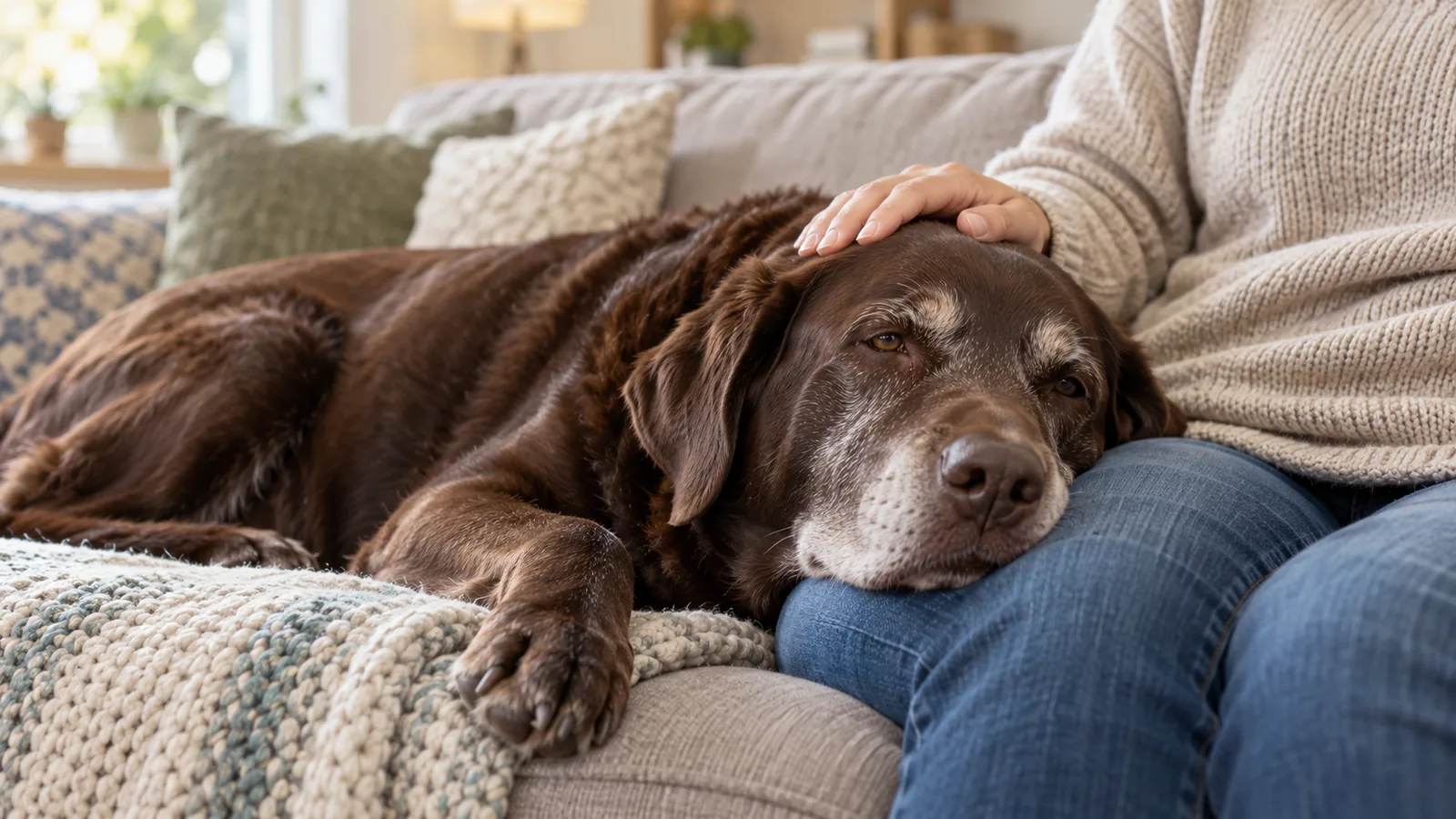
Hospice care keeps your pet comfortable by shifting the goal from curing a disease to relieving what your pet actually feels: the aching joints, the queasy stomach, the restless nights. In practice, that means pain medication your pet genuinely responds to, appetite and nausea support, help getting up and moving, and small changes at home like traction rugs and raised food bowls. Choosing this path is not giving up. It is measuring success the way your pet does, by whether dinner still smells interesting, whether the sunny spot by the window is still worth the walk, and whether your hand on their side brings a sigh instead of a flinch. Cared for this way, good days can stretch on for weeks or even months.
At Central Kentucky Veterinary Center, our AAHA-accredited team builds palliative and hospice plans around the pet in front of us, not a template. Pain medication is the foundation, and we can layer in laser therapy, acupuncture, chiropractic care, or gentle rehabilitation when stiff joints and weakening hind legs start affecting your pet. When your questions begin to turn toward timing and goodbyes, our team is here to help with quality of life decisions and euthanasia. If you are caring for an older or seriously ill pet in Georgetown, Lexington, or Scott County, reach out and let's talk about what comfort could look like for them.
The Short Course on Palliative and Hospice Care
- Palliative and hospice care shift the goal from curing disease to protecting comfort, and they work best when started early, while your pet still has time worth shaping.
- Pets rarely cry when they hurt; changes in sleep, grooming, appetite, and willingness to move are usually the loudest pain signals you'll get.
- Comfort is built from two directions: medications like pain relievers, anti-nausea drugs, and fluids, paired with therapies like acupuncture, laser, and rehabilitation.
- A simple quality of life journal, scored a few times each week, turns "how will I know when it's time" from a dreaded guess into a pattern you can see.
What Is the Difference Between Palliative Care and Hospice Care for Pets?
Palliative care manages pain and symptoms for any pet living with a serious illness, sometimes alongside treatment that's still aimed at the disease. Hospice care applies the same comfort-first thinking once a cure is off the table, focusing entirely on ease, dignity, and quality time for however long remains.
We map out a medication schedule you can realistically keep, feeding strategies for the days appetite dips, and a short list of what to watch as the disease moves. Thoughtful end-of-life care planning also answers the practical questions families rarely think to ask: who to call when something changes, what counts as a bad night, and when a recheck should move up.
Because we provide full-service veterinary care through every stage of a pet's life, comfort care isn't a handoff to strangers. The same people who gave your dog their first puppy vaccines can help carry them gently through their final months.
How Do You Measure Your Pet's Quality of Life?
Quality of life is measured in ordinary moments: whether your pet eats with interest, drinks enough, sleeps through the night, moves without struggle, and still perks up for the people and rituals they love. Scoring those categories a few times each week turns scattered worry into a trend you can act on.
A structured quality of life scale turns each category into a number, which lets you compare this week to last week instead of trusting memory.
| What to track | A question worth asking each week |
| Appetite | Eating meals, or being talked into bites? |
| Hydration | Is the water bowl going down like it used to? |
| Comfort | Do they settle into sleep, or circle and shift all night? |
| Mobility | Are the stairs, the floors, and the yard still manageable? |
| Engagement | Do they still greet you at the door and follow the household? |
| Joy | Does anything still start the tail wag or the purr? |
Keep the journal somewhere you'll use it and make the entry a thirty-second habit. Numbers don't make the decision for you, but they keep the decision honest. Bring the notebook to every recheck so our veterinary team can adjust medications based on your observations.
How Can You Tell If Your Pet Is in Pain?
Most pets in pain get quiet instead of loud. A dog who hesitates at the stairs, a cat who stops grooming their back, restlessness at 3 a.m., a startle at a touch that used to be welcome: these are the signals that matter far more than crying ever will.
Common pet pain signs differ between dogs and cats, and cats are especially committed to hiding theirs, which is why what you notice at home carries so much weight. Watch for:
- Behavior shifts: new hiding or clinginess, irritability with housemates, pacing at night
- Posture and gait: stiffness after rest, a hunched back, limping, trouble rising or squatting
- Grooming changes: a matted or greasy coat in cats, or obsessive licking over one joint
- Appetite and habits: leaving meals, dropping food, reluctance to bend down to a bowl
- Vocal changes: groaning on lying down, growling when handled, a normally chatty cat gone silent
These pain checklists can help you evaluate your pet’s comfort level, and working through the list once a week alongside the quality of life questionnaire helps you stay on top of changes.
What Medications Keep a Hospice Pet Comfortable?
Medication is the backbone of hospice comfort, and the goal is a small, well-chosen combination that keeps your pet feeling like themselves without side effects that trade one problem for another. We build it around your pet's specific disease and check that an aging liver and kidneys can handle each drug before starting, then recheck to catch problems early.
Pain Medications
Comfort usually comes from multi-modal pain management, several medications working together at lower doses so each does part of the job with fewer side effects. Anti-inflammatories ease arthritic joints, gabapentin settles nerve pain, and monthly monoclonal antibody injections target the specific pain signal behind osteoarthritis in dogs and cats. Opioids and other options are available for more severe pain. We’ll tailor the choices to your pet’s specific needs.
Anti-Nausea and Appetite Support
A queasy pet who turns away from food loses comfort and strength quickly, so anti-nausea medication is one of the most impactful tools we have. Effective nausea and appetite support, especially valuable in kidney or liver disease, combines anti-nausea drugs, appetite stimulants, and acid reducers so meals become appealing again. Getting a pet eating comfortably often does more for their day-to-day happiness than any other single change.
Fluids and Hydration
Many end-of-life conditions, kidney disease especially, leave a pet chronically dehydrated, which worsens nausea and fatigue. Subcutaneous fluids, given under the skin, are a simple way to keep a pet hydrated and feeling better, and many families learn to give subcutaneous fluids at home in a few minutes on a schedule we set together. We'll walk you through the whole process so it feels routine rather than daunting.
What Comfort Therapies Help Beyond Medication?
Medication rarely has to work alone, and for a body that already processes drugs slowly, therapies that ease pain without adding another pill are especially valuable. We weave these into the plan alongside the medications above, dialing them up or back as your pet's needs change.
- Acupuncture: Acupuncture places hair-thin needles at specific points to relax tight muscle and quiet pain signaling, easing arthritis and nerve pain without taxing the liver or kidneys. Most pets settle in calmly, often dozing partway through.
- Chiropractic care: Gentle adjustments restore motion to joints and areas of the spine that have stiffened from months of compensating for a sore hip, making everyday movements less of a struggle. It pairs naturally with acupuncture.
- Laser therapy: Focused light reduces inflammation and eases pain in a specific spot, with nothing to swallow and no discomfort, which suits a pet already on a full medication list. The effect builds over a series of quiet, easy sessions.
- Rehabilitation: Canine rehabilitation uses targeted exercise to rebuild the muscle that keeps weak hind legs underneath a dog, preserving mobility and comfort longer.
- Stem cell therapy: For select pets whose comfort is limited mainly by arthritis, stem cell therapy uses cells from your pet's own body to calm joint inflammation and support tissue repair. We'll be honest about whether your pet is a good candidate.
What Does a Comfortable Home Setup Look Like for a Hospice Pet?
A hospice-friendly home comes down to small changes: warmth, traction, and short distances. Think thick bedding away from drafts, secure footing on slick floors, water and food within a few easy steps, a night light for cloudy eyes, and a quiet resting spot with a good view of the family.
November in Scott County brings the first real cold snaps, and chilly mornings make arthritic joints noticeably stiffer. A heated pet bed, or simply a fleece layered over the orthopedic mattress, makes a real difference this time of year. Assistive devices fill the gap between what your pet wants to do and what their body allows: rear-support harnesses for stairs, slings for bathroom trips, toe grips for hardwood, a ramp into the car or onto the bed.
Most of what makes an arthritis-friendly home for dogs helps aging cats too, with a few feline additions: a low-sided litter box on every floor and a set of steps up to the windowsill they've claimed for fifteen years.
Keep the daily rhythm predictable. Meals, medications, and rest at the same times lower anxiety for a pet who can no longer rely on their body. Enrichment shrinks, but it shouldn't stop: a slow sniff around the yard, a wagon ride to their favorite park when they can’t walk there themselves, a food puzzle with softened kibble, or a new toy brings joy even if they can’t play with the same enthusiasm.
Where Can You Find Emotional Support While Caring for a Dying Pet?
Support during pet hospice comes from more places than most families expect: grief counselors who take the loss of an animal seriously, trained pet loss hotline volunteers, online groups, and friends partway through the same goodbye. Grieving a pet who's still alive, called anticipatory grief, is absolutely normal.
Expect your feelings to contradict each other. Hope in the morning, dread at night, guilt about both, sometimes in the same hour. None of that means you're doing this wrong. University-run pet loss resources and support include hotlines staffed by trained veterinary students who've heard it all and judge none of it. Online pet loss and bereavement support groups add another circle, so you can talk with people who understand without leaving your kitchen table.
Memory-making helps more than you may think. A clay paw print, a photo session on a strong day, a written list of the small habits you never want to forget, or your kids drawing their favorite memories with the pet helps you hold on to the good times during hard moments.
How Do You Know When It's Time to Say Goodbye?
Readiness rarely arrives as one unmistakable sign; it shows up as a trend. When quality of life scores stay low for days despite adjustments, when pain outruns the medications, when your pet stops eating or stops seeming like themselves, the kindest question shifts from how to keep going to how to let go well.
Thinking through when it's time to say goodbye while your pet's still stable gives you room to reflect clearly, which almost no one has in a crisis. Talk with us about the markers that would matter for your pet's specific condition, whether that's breathing changes, repeated distress episodes, or a run of hard days that outnumbers the easy ones. Families almost never tell us they wish they'd waited longer. Many tell us they wish they hadn't waited so long.
When the day comes, it can be gentle. Sedation is given first, with no rushing through the process; your hands resting where they've always rested, giving your pet love and comfort through their final breaths. Our pet loss support extends to the decisions around the moment: whether to bring kids or pets to the appointment, aftercare choices, and memorial options.
Common Questions About Pet Hospice and Comfort Care
How long can a pet stay in hospice care?
Hospice isn't a fixed countdown. Some pets have weeks, others have many comfortable months, depending on the disease, how well symptoms respond, and their own stubborn spark.
Does choosing hospice mean stopping all treatment?
Choosing hospice means stopping treatments that trade comfort for time, not stopping care. Medications that ease pain, nausea, and anxiety continue and often increase, and comfort therapies like acupuncture, laser, and chiropractic care join the plan. Some pets even stay on certain disease medications because those drugs help them feel better day to day.
What should I do if my pet declines suddenly overnight?
A plan made in advance is the best protection against a panicked 2 a.m. decision. Ask us ahead of time what a crisis could look like for your pet's condition and which comfort medications to keep on hand. If your pet is in distress, call us right away, and after hours head straight to the nearest veterinary ER.
Will my other pets grieve?
Many pets notice when a housemate declines, but some don’t. After a loss you may see appetite dips, searching behavior, or extra clinginess for a few weeks. Keeping routines steady helps them settle. Some families let remaining pets see their companion afterward, which may ease the searching, though every animal responds in their own way.
Making the Most of the Good Days Left
Hospice care asks one question, every day: what would make today better for this pet? Answer it enough days in a row and this last chapter stops being only about loss. It becomes a season you shaped on purpose, full of easy naps, favorite snacks, and a body that finally stopped hurting. You bring the knowledge of who your pet is, we bring the medicine, and when you're ready to talk about what palliative and hospice care could look like for your dog or cat, a phone call to us at Central Kentucky Veterinary Center in Georgetown is all it takes to start the conversation.




Leave A Comment